Tinnitus
What is Tinnitus?
Tinnitus is the perception of sound without any external auditory stimulus. Patients often describe it as ringing, buzzing, humming, hissing, or clicking sounds in one or both ears. It is a common symptom rather than a disease itself and can vary greatly in intensity, pitch, and duration.
How Common is Tinnitus?
Tinnitus affects approximately 10-15% of the population, with varying degrees of severity. While many people experience mild and temporary tinnitus, for some it can be chronic and significantly impact quality of life.
Types of Tinnitus
Subjective Tinnitus: The most common form, heard only by the patient. It can be constant or intermittent.
Objective Tinnitus: Rare, can be heard by the doctor using a stethoscope, usually caused by vascular or muscular issues.


Causes of Tinnitus
Tinnitus has many potential causes, often related to the auditory system, but sometimes linked to systemic conditions:
Hearing loss: Age-related (presbycusis), noise-induced, or due to ear infections and trauma. Damage to the hair cells in the inner ear is a frequent cause.
Earwax (cerumen) blockage: Can alter hearing and trigger tinnitus.
Ear infections or ear diseases: Otitis media, otosclerosis.
Exposure to loud noises: Prolonged exposure or sudden loud noise trauma.
Medications: Certain drugs like aspirin, NSAIDs, some antibiotics, and chemotherapy agents can cause or worsen tinnitus.
Circulatory system disorders: High blood pressure, atherosclerosis, vascular tumors.
Temporomandibular joint (TMJ) disorders: Problems with jaw joints.
Neurological disorders: Multiple sclerosis, acoustic neuroma.
Other causes: Stress, anxiety, depression, head or neck injuries.
Symptoms
Patients with tinnitus may experience:
Persistent or intermittent ringing or buzzing sounds in ears or head.
Sleep disturbances due to noise perception.
Difficulty concentrating or hearing external sounds clearly.
Emotional distress such as anxiety or depression due to chronic tinnitus.
Diagnosis
Evaluating tinnitus involves;
Detailed medical history: To identify possible causes or triggering factors.
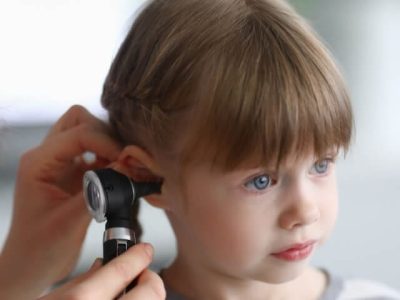
Physical examination: Including otoscopic exam of the ear canal and eardrum.
Audiological testing: Hearing tests (audiometry) to assess hearing loss.
Imaging studies: MRI or CT scans if tumors, vascular abnormalities, or neurological causes are suspected.
Other tests: Blood pressure measurement, TMJ evaluation.


Treatment Options;
Currently, there is no definitive cure for tinnitus, but various treatments can help manage symptoms and improve quality of life:
Addressing underlying causes: Removing earwax, treating infections, managing blood pressure.
Hearing aids: Amplify external sounds to mask tinnitus, especially in patients with hearing loss.
Sound therapy: Background noise generators, white noise machines, or specialized tinnitus maskers.
Medications: No specific drug cures tinnitus, but sometimes antidepressants or anti-anxiety medications may be prescribed.
Tinnitus retraining therapy (TRT): Combines sound therapy and counseling to habituate the brain to tinnitus.
Lifestyle changes: Stress management, avoiding caffeine, nicotine, and loud noises.
When to See a Doctor?
You should consult an ENT specialist if you experience:
- Sudden onset of tinnitus
- Pulsatile tinnitus (synchronized with your heartbeat)
- Associated hearing loss or dizziness
- Tinnitus following head trauma
- Signs of neurological deficits
Tinnitus is a common and sometimes challenging condition, but with appropriate evaluation and management, most patients can achieve significant relief and adapt to their symptoms. If you suffer from persistent ear ringing or buzzing, seek professional advice for an individualized treatment plan.

Frequently Asked Questions (FAQ)
WHY DO I HEAR RINGING IN MY EARS?
The ringing, buzzing, or humming sound you hear in your ears known as tinnitus is usually caused by abnormal activity in the auditory system. It often occurs when the tiny hair cells in the inner ear are damaged, typically due to loud noise exposure, aging, ear infections, or hearing loss. These damaged cells can send false signals to the brain, which are interpreted as sound even when no external noise is present. Tinnitus can also be triggered or worsened by stress, earwax buildup, or certain medications.
ARE THERE TREATMENTS FOR TINNITUS?
While there is no universal cure for tinnitus, there are several effective treatment options that can help reduce its impact and improve quality of life. The right approach depends on the underlying cause and how the tinnitus affects you. Common treatments include:
- Sound therapy: Using background noise or specialized sound devices to mask the ringing.
- Hearing aids: Especially helpful if tinnitus is associated with hearing loss.
- Cognitive Behavioral Therapy (CBT): Helps manage emotional reactions to tinnitus, such as stress or anxiety.
- Tinnitus Retraining Therapy (TRT): Combines sound therapy and counseling to help the brain “tune out” the tinnitus.
- Medication: While no drug cures tinnitus, some may help relieve related symptoms like anxiety or insomnia.
IS TINNITUS RELATED TO HEARING LOSS?
Yes, tinnitus is frequently associated with hearing loss. In fact, many people with tinnitus also have some degree of hearing impairment often without realizing it. When the inner ear is damaged, such as from age-related changes or noise exposure, it may stop sending normal sound signals to the brain. The brain sometimes responds by generating its own sound, which is perceived as tinnitus.
Even if your hearing seems normal, a hearing test may reveal subtle hearing loss linked to your tinnitus. Identifying and addressing any hearing loss is often a key part of managing tinnitus effectively.