ENT Specialist Qatar By Dr. Cem Dogan |
Most people don’t think about their nose, ears, or throat until something goes wrong. A blocked nose that won’t clear. Snoring that keeps the whole household awake. A child who seems perpetually sick with ear infections. Or maybe you’ve lived with something for so long ears that stick out, a crooked nose, a deviated septum that it just became part of your identity.
As an ENT doctor practicing in Qatar, I see all of these situations regularly. And what strikes me most is how many people wait years before seeking help, often not realizing that effective, well-established treatments exist. This post covers the most common conditions I treat and what you can realistically expect from each one.
What Does an ENT Doctor Actually Treat?
ENT stands for Ear, Nose, and Throat but that’s a fairly modest description of the specialty. ENT surgery and medicine covers a surprisingly wide range of conditions: structural problems with the nose, breathing disorders, pediatric ear and airway issues, voice problems, snoring, facial reconstructive procedures, and more.
In Qatar, I work with patients who have a mix of concerns. Some are purely functional — they want to breathe better, sleep better, or hear better. Others are cosmetic. Many are both. The overlap between functional ENT medicine and aesthetic facial procedures is significant, and it’s one of the things I find most rewarding about this specialty.
Rhinoplasty: More Than a “Nose Job”
If there is one procedure that generates the most questions in my clinic, it’s rhinoplasty.
People often come in having done a lot of research online, which is good — but online content about rhinoplasty tends to focus almost entirely on the cosmetic side. What gets less attention is that rhinoplasty is frequently performed for functional reasons, or for a combination of functional and cosmetic ones.
What is rhinoplasty? Rhinoplasty is surgery to reshape the nose. It can reduce or increase the size of the nose, change the angle between the nose and upper lip, alter the tip, narrow the nostrils, or correct a post-injury deformity. When the surgery addresses both the external appearance and internal airflow, we sometimes call it a “functional rhinoplasty” or “septorhinoplasty.”
Who is a good candidate? Adults whose facial structure is fully developed — typically by the late teens. Anyone considering rhinoplasty needs realistic expectations. Rhinoplasty can make meaningful, lasting improvements, but no surgeon can guarantee a perfect outcome or replicate exactly what you’ve seen on someone else’s face.
In my practice in Qatar, I see a growing number of patients seeking rhinoplasty to correct previous surgery that didn’t achieve the desired result. Revision rhinoplasty is more technically demanding than a primary procedure, and not every surgeon performs it — this is worth asking about when you consult. ENT Specialist Qatar
What is recovery like? Swelling after rhinoplasty takes time to fully resolve. Most patients look presentable within two to three weeks, but the final result may not be fully visible for 12 months or longer. This is one of the aspects of rhinoplasty that patients most frequently underestimate. ENT Specialist Qatar
Septoplasty: Fixing the Wall That Divides Your Nose
The septum is the wall of cartilage and bone that separates your two nasal passages. In an ideal world, it runs straight down the middle. In reality, the majority of adults have some degree of septal deviation — meaning the septum leans noticeably to one side.
A mildly deviated septum rarely causes symptoms. A significantly deviated one can make one (or both) nasal passages narrow enough that breathing becomes a daily struggle.
What are the symptoms of a deviated septum? Chronic nasal obstruction is the most common complaint. Patients often describe always breathing through their mouth, waking up with a dry throat, or feeling like one nostril never fully opens. Septoplasty is frequently associated with recurrent nosebleeds, sinus infections, and sleep disruption as well.
What does septoplasty involve? Septoplasty is a surgical procedure performed entirely inside the nose — there are no external incisions, no visible scarring. The goal is to straighten the septum, removing or repositioning the obstructing cartilage or bone, so that air can pass more freely through both nasal passages.
It’s generally performed under general anaesthesia as a day case or with one night in hospital. Recovery is usually quicker than patients expect, though there is a period of nasal congestion while the internal swelling settles.
Septoplasty is often done at the same time as rhinoplasty (when external reshaping is also desired) or alongside turbinate reduction. These combined approaches are very common in ENT Specialist Qatar surgery and make sense from both a practical and recovery standpoint.
Turbinate Hypertrophy: The Overlooked Cause of Chronic Nasal Blockage
This is a condition I’d argue is significantly under-diagnosed outside of specialist care.
Turbinates are small, shelf-like structures inside your nose. They warm, humidify, and filter the air you breathe — which is important. But they also contain tissue that swells in response to allergens, irritants, infections, and hormonal changes. When that swelling becomes chronic, it’s called turbinate hypertrophy, and it can block nasal airflow to roughly the same degree as a deviated septum.
Why does this matter? In Qatar, the combination of dusty air, high pollen counts, and heavily air-conditioned environments means that allergic rhinitis and nasal irritation are genuinely common. Many patients I see with turbinate hypertrophy have spent years on nasal sprays and antihistamines without lasting relief.
What are the treatment options? Conservative treatment comes first. Nasal steroid sprays, saline irrigation, and allergen avoidance can reduce turbinate swelling in many patients. When these approaches don’t provide enough relief, or when the hypertrophy is structural rather than purely inflammatory, surgical options are available.
Turbinate reduction surgery — which can be done with radiofrequency, laser, or conventional surgical techniques depending on the case — reduces the volume of the turbinate without completely removing it. Preserving some turbinate tissue is important for normal nasal function, so the goal is reduction, not elimination.
This procedure is commonly performed alongside septoplasty, since the two conditions often coexist.
ENT Specialist Qatar
Snoring Surgery: A Real Option When Everything Else Has Failed
Snoring is not just annoying — though it is certainly that. It can disrupt an entire household’s sleep, damage relationships, and in more severe cases, indicate obstructive sleep apnoea (OSA), a condition where breathing repeatedly stops during sleep with real cardiovascular consequences.
Before any snoring surgery is considered, it’s important to understand why someone snores. Snoring can originate from the nose, the palate and uvula, the base of the tongue, or a combination of structures. Treating the wrong site rarely works.
What causes most snoring? In adults, the most common cause is vibration of soft palate and uvula tissue as air passes through a narrowed airway during sleep. Contributing factors include weight, alcohol, sleep position, nasal obstruction, and the natural loss of muscle tone with age.
What snoring surgery options exist? Several procedures address snoring depending on its anatomical source:
- Uvulopalatopharyngoplasty (UPPP): Removes and reshapes excess tissue from the soft palate and uvula. One of the more established procedures for palatal snoring.
- Radiofrequency ablation: A minimally invasive technique that stiffens soft palate tissue to reduce vibration.
- Nasal surgery: When nasal obstruction is a primary driver of snoring, septoplasty or turbinate reduction can significantly reduce or resolve it.
- Tongue base procedures: Less commonly needed, but important when the tongue base is the obstruction site.
I should be direct here: snoring surgery produces good results in carefully selected patients, but it is not a universal cure. Success depends heavily on identifying the correct anatomical source of the problem beforehand. Patients with significant obstructive sleep apnoea may require CPAP therapy rather than, or alongside, surgery — and that determination needs to be made properly before any procedure is considered. ENT Specialist Qatar
Adenoid and Tonsil Surgery: Still One of the Most Common Paediatric Procedures
If you have children, there’s a reasonable chance you’ve been through a conversation with a paediatrician about adenoids and tonsils at some point.
The tonsils (at the back of the throat) and adenoids (higher up, behind the nose) are part of the immune system’s first line of defence. In children, they can become chronically enlarged or repeatedly infected — causing problems ranging from recurrent sore throats and ear infections to significant snoring and sleep-disordered breathing.
When is surgery recommended? There is no single threshold. For tonsils, the usual indicators are recurrent tonsillitis (typically defined as 5 to 7 or more significant episodes per year for two or more consecutive years), obstructive symptoms, or a peritonsillar abscess. For adenoids, persistent glue ear (fluid behind the eardrum) that affects hearing is a major consideration, as is chronic nasal obstruction and sleep-disordered breathing.
What do adenoid and tonsil surgeries involve? Tonsillectomy removes the tonsils entirely. Adenoidectomy removes the adenoid tissue. These procedures are very frequently performed together in the same anaesthetic — often combined with the insertion of grommets (small ventilation tubes placed in the eardrum) for children who also have glue ear. ENT Specialist Qatar
Both procedures are well-established and generally safe. The recovery period for tonsillectomy, in particular, requires attention: children — and especially adults — need adequate pain management and hydration in the first two weeks, and there is a small risk of secondary bleeding that families need to be aware of.
In adults, tonsillectomy is somewhat more uncomfortable than in children, and recovery takes longer. But for adults with genuinely recurrent tonsillitis, it remains one of the most effective long-term solutions available. ENT Specialist Qatar
Prominent Ear Surgery (Otoplasty): A Smaller Procedure With Significant Impact
Prominent ear surgery, or otoplasty, is the procedure that reshapes or repositions ears that protrude significantly from the head. It’s less complex than rhinoplasty and often takes under two hours, but for the patients I see — and particularly for children — the difference it makes can be quite profound.
Prominent ears don’t cause physical problems, but they can attract unwanted attention, particularly in children at school age. The psychological impact of this varies enormously between individuals, but for those who are genuinely distressed by the appearance of their ears, otoplasty is a well-established, low-risk option. ENT Specialist Qatar
When can otoplasty be performed? The ear cartilage is sufficiently developed for surgery from around age 5 to 6 onwards. Performing the procedure before school age can spare children from the self-consciousness that often starts in early school years. In adults, there is no upper age limit — it’s simply a matter of general health and realistic expectations.
What does the procedure involve? Otoplasty is typically performed through small incisions behind the ear, where the scar is naturally hidden. The cartilage is reshaped and, where necessary, stitched into a new position closer to the head. In children, it is usually done under general anaesthesia. In adults, local anaesthesia with sedation is often sufficient. ENT Specialist Qatar
A protective dressing or headband is worn for several weeks post-surgery. Most patients are back to normal activities within two weeks, though contact sports require a longer break.
Finding the Right ENT Specialist Qatar
Qatar has seen real growth in specialist medical care over the past decade. There are now multiple options for ENT consultation in Doha (ENT Specialist Qatar), ranging from hospital-based departments to independent clinics. What matters most — regardless of where you go — is that you see a surgeon who takes time to understand your specific situation before recommending any procedure.
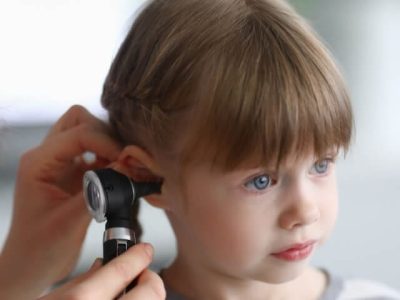
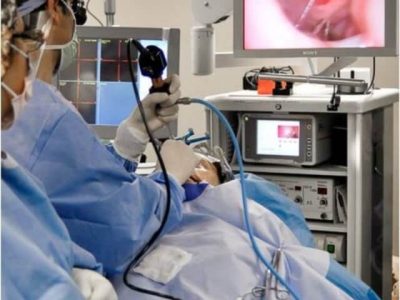
A good ENT consultation should include a proper examination, possibly including nasal endoscopy, a discussion of all relevant options (not just surgical ones), and honest information about what each approach can and cannot achieve. ENT Specialist Qatar
Many of the conditions I’ve described above — turbinate hypertrophy, a deviated septum, tonsil problems, prominent ears — can have a meaningful effect on daily quality of life when left untreated. They are also, in most cases, treatable.
If you’ve been managing symptoms conservatively for a long time without adequate relief, or if you’re considering a procedure and want a specialist opinion, I’m happy to see you at our hospital in Doha.