Septoplasty in Qatar – In the bustling city of Doha, where the desert climate can exacerbate nasal issues, many residents struggle with breathing difficulties that disrupt daily life. If you’ve ever felt constant nasal congestion, frequent sinus infections, or trouble sleeping due to snoring, you might be dealing with a deviated septum. This common condition affects countless people worldwide, but in Qatar’s unique environment—with its dry air and high dust levels—it can feel even more debilitating. Fortunately, deviated septum and septoplasty offer a path to relief. Septoplasty in Qatar, the surgical correction for a deviated septum, is a proven solution that straightens the nasal passage, improving airflow and overall quality of life.
As a leading resource on deviated septum and septoplasty, this guide draws from expert insights to help you understand the condition, its causes, symptoms, and treatment options. Whether you’re in Doha seeking local care or just researching, we’ll cover everything you need to know. For personalized advice, consider consulting specialists like those at The Pearl International Hospital. And for in-depth details on procedures, check out this deviated septum and septoplasty service page.
What is a Deviated Septum?
A deviated septum occurs when the thin wall—the nasal septum—dividing your nasal cavity into two passages is displaced to one side. This wall is made of cartilage and bone, and when it’s off-center, it can make one nostril smaller than the other, leading to uneven airflow. In mild cases, you might not even notice it, but severe deviations can cause significant blockages.
In Qatar, where air conditioning is a staple and outdoor activities expose us to sand and allergens, a deviated septum can worsen respiratory challenges. Imagine trying to breathe freely during a dusty khamseen wind—it’s frustrating! According to medical experts, up to 80% of people have some degree of septal deviation, but only those with symptoms need intervention. Understanding deviated septum and septoplasty starts here: recognizing that this isn’t just a “stuffy nose” but a structural issue that septoplasty in Qatar can fix.
The nasal septum plays a crucial role in filtering, humidifying, and warming the air we breathe. When deviated, it disrupts this process, potentially leading to chronic problems. If you’re experiencing persistent issues, exploring deviated septum and septoplasty in Qatar options in Doha could be life-changing.
Causes of Deviated Septum
What leads to a deviated septum? The causes are varied, but they generally fall into three categories. First, congenital factors: Some people are born with a deviated septum due to developmental issues during pregnancy. This is common and often goes unnoticed until adulthood.
Second, trauma plays a big role. A blow to the nose—from sports injuries, accidents, or even falls—can shift the septum. In Qatar, with its active lifestyle including football matches and outdoor adventures, such injuries aren’t uncommon. Think about a simple car bump or a gym mishap; these can result in a lasting deviated septum.
Lastly, age-related changes contribute. As we get older, the cartilage in our nose can weaken and shift, exacerbating any existing deviation. In Doha’s warm climate, where dehydration might accelerate aging effects on tissues, this becomes relevant.
Knowing the causes helps in prevention and early detection. If trauma is involved, seeking prompt medical attention can prevent worsening. For those already affected, deviated septum and septoplasty in Qatar procedures, like those offered locally, provide effective correction.
Symptoms of Deviated Septum
The symptoms of a deviated septum can range from mild annoyances to severe disruptions. The most common is nasal congestion or stuffiness, often on one side, making breathing through the nose difficult. This can lead to mouth breathing, which dries out the throat and increases infection risks.
Other signs include frequent sinus infections, as blocked passages trap mucus and bacteria. Nosebleeds are another issue, stemming from dry, irritated nasal linings. In Qatar’s arid environment, this symptom is particularly prevalent. Snoring and sleep disturbances, like obstructive sleep apnea, are also linked to deviated septum, affecting restful nights.
Additional symptoms might include postnasal drip, facial pain or pressure, and headaches. If you’re waking up tired or dealing with recurrent colds, it could be more than allergies— it might be a deviated septum. Recognizing these early can lead to timely deviated septum and septoplasty in Qatar treatment, improving your daily comfort in Doha’s fast-paced life.
Diagnosis of Deviated Septum
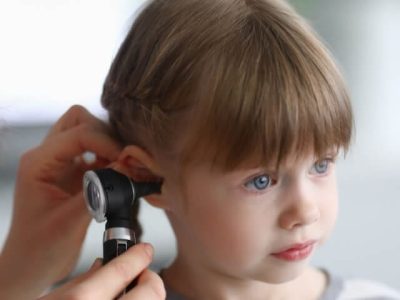
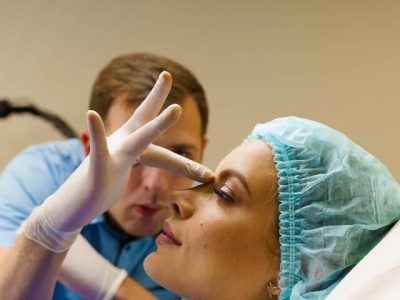
Diagnosing a deviated septum typically involves a visit to an ENT (Ear, Nose, and Throat) specialist. They’ll start with a medical history review, asking about symptoms, injuries, or family history. A physical exam follows, using a nasal speculum to inspect the septum.
In some cases, imaging like a CT scan might be used to assess severity, especially if sinus issues are involved. In Qatar, advanced facilities like those in Doha make this straightforward. No invasive tests are usually needed; it’s often confirmed visually.
If symptoms persist despite initial treatments, diagnosis confirms the need for deviated septum and septoplasty. Early diagnosis prevents complications, so don’t hesitate to consult a local expert.
Non-Surgical Treatments for Deviated Septum
Before jumping to surgery, non-surgical options can manage deviated septum symptoms. Nasal decongestants provide temporary relief by reducing swelling, but overuse can lead to rebound congestion. Antihistamines help if allergies contribute, common in Qatar’s pollen and dust-filled air.
Nasal steroid sprays, like fluticasone, reduce inflammation and are often first-line treatments. Saline rinses or neti pots clear passages, promoting better airflow. Lifestyle changes, such as using humidifiers in air-conditioned rooms, also help.
However, these address symptoms, not the root cause. If they fail, deviated septum and septoplasty becomes the next step. For more on when to consider surgery, refer to this detailed guide on deviated septum and septoplasty.
What is Septoplasty?
Septoplasty is the surgical fix for a deviated septum, aimed at straightening the septum to restore balanced airflow. It’s a functional procedure, not cosmetic, though it can be combined with rhinoplasty if needed.
Performed by ENT surgeons, septoplasty is minimally invasive, often outpatient. In Qatar, specialists like Dr. Cem Dogan at The Pearl International Hospital offer advanced techniques. The goal? To alleviate breathing issues without altering your nose’s external appearance.
Understanding deviated septum and septoplasty in Qatar empowers patients. It’s safe, with high success rates, making it a popular choice in Doha for those tired of chronic nasal woes.
The Septoplasty Procedure: Step by Step
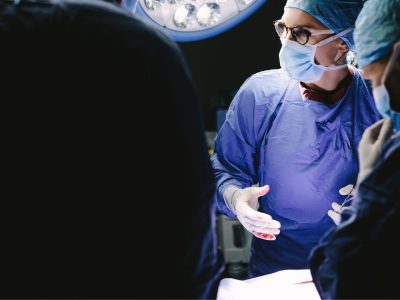
Curious about what happens during septoplasty? It’s typically done under local or general anesthesia, lasting 30-90 minutes. The surgeon makes an incision inside the nostril—no external scars.
They lift the mucous membrane, remove or reshape deviated bone and cartilage, then reposition the septum centrally. Sutures close the incision, and sometimes splints support healing.
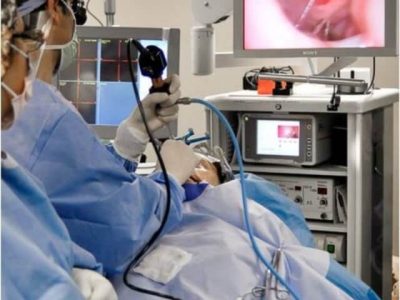
In Qatar, modern endoscopic methods enhance precision, reducing recovery time. Post-procedure, you’ll be monitored briefly before heading home. For a deeper dive, visit this septoplasty resource.
Recovery After Septoplasty in Qatar
Recovery from septoplasty is straightforward but requires patience. The first few days involve rest, with possible swelling, bruising, and mild pain managed by medications. Avoid strenuous activities, blowing your nose, or flying for a week.
Most return to work in 3-5 days, but full healing takes 3-6 months. In Doha’s climate, staying hydrated aids recovery. Follow-ups ensure proper healing, and symptoms like congestion improve gradually.
Tips: Use saline sprays, sleep elevated, and avoid irritants. Successful deviated septum and septoplasty recovery leads to lasting relief.
Benefits of Deviated Septum and Septoplasty
The benefits of deviated septum and septoplasty are transformative. Improved breathing tops the list, reducing congestion and enhancing oxygen intake. Fewer sinus infections mean less downtime from illnesses.
Better sleep—less snoring and apnea—boosts energy levels. Relief from facial pain and headaches improves daily function. In Qatar, where heat can worsen symptoms, this means enjoying outdoor life more freely.
Overall, deviated septum and septoplasty enhances quality of life, making it a worthwhile investment.
Risks and Considerations of Septoplasty in Qatar
Like any surgery, septoplasty has risks, though rare. Bleeding, infection, or anesthesia reactions can occur. Persistent obstruction or septal perforation (a hole in the septum) are possible but uncommon.
Changes in nose shape are minimal in functional septoplasty. Choosing an experienced surgeon in Qatar minimizes these. Discuss risks during consultation to make an informed decision on deviated septum and septoplasty.
Deviated Septum and Septoplasty in Qatar: Local Insights
In Qatar, access to deviated septum and septoplasty is excellent, with facilities like Hamad Medical Corporation, Aster Hospital, and private clinics in Doha. Surgeons here use state-of-the-art tech, tailored to the local climate’s challenges.
Costs vary, but insurance often covers it if medically necessary. Seeking a board-certified ENT ensures quality. For Qatar residents, combining deviated septum and septoplasty with lifestyle adjustments—like avoiding dusty areas—maximizes outcomes.
Frequently Asked Questions About Deviated Septum and Septoplasty in Qatar
Q: How does a deviated septum affect the upper respiratory tract? A: It disrupts airflow, leading to congestion, mouth breathing, dryness, and increased infections. Deviated septum and septoplasty corrects this.
Q: When is septoplasty necessary? A: When symptoms like chronic obstruction or recurrent sinusitis persist despite meds. Explore deviated septum and septoplasty options early.
Q: Can deviated septum cause sinus infections? A: Yes, by blocking drainage. Septoplasty improves this.
Q: Is septoplasty painful? A: Discomfort is mild and manageable.
Q: How long does recovery take? A: 1-2 weeks for basics, months for full.
Q: Where can I get septoplasty in Qatar? A: Doha clinics like The Pearl offer it. See this page for more.
Conclusion: Take the Next Step Toward Easier Breathing
Living with a deviated septum doesn’t have to mean constant struggle. With deviated septum and septoplasty in Qatar, you can reclaim comfortable breathing, better sleep, and improved health. In Qatar, world-class care is at your doorstep—don’t wait for symptoms to worsen.
If this resonates, schedule a consultation today. For expert guidance, explore deviated septum and septoplasty details here. Breathe easier, live better!