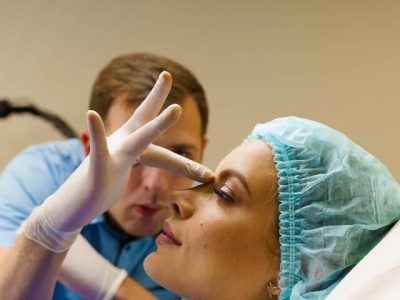
1. Nasal Reshaping (Non-Surgical Rhinoplasty)
Filler injections can correct minor nasal imperfections such as dorsal humps, asymmetries, or saddle nose deformities—without the need for surgery. This is an excellent option for patients seeking subtle improvements or those hesitant about surgical intervention.
2. Perioral Volume Loss
Aging can cause volume loss around the lips and mouth, affecting both appearance and speech. Filler applications in this area help restore facial balance and improve articulation.
3. Chin and Jawline Definition
For patients with facial asymmetry or a weak jawline, fillers offer a non-surgical way to achieve better balance and structure. ENT specialists can target the lower face with precision, considering both aesthetic and functional anatomy.
4. Post-Surgical or Post-Trauma Corrections
After facial surgeries or injuries, fillers can be used to correct contour irregularities, scars, or asymmetries. This is particularly valuable in reconstructive ENT and facial plastic surgery.
5. Vocal Fold Augmentation
In cases of vocal fold paralysis or atrophy, fillers can be injected directly into the vocal folds to improve voice strength and reduce hoarseness. This technique is especially helpful for patients experiencing breathy or weak voice.

Common Dermal Filler Treatment Areas
Marionette lines – To reduce the appearance of downturned corners of the mouth
Lips – To enhance shape and volume
Cheeks – To restore youthful fullness
Nasolabial folds – To smooth smile lines