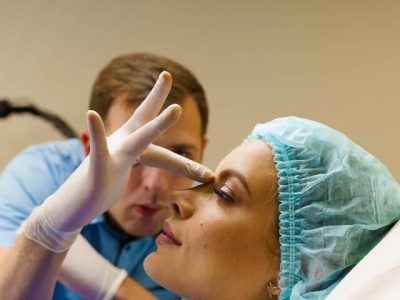
DEVIATED SEPTUM AND SEPTOPLASTY SURGERY – The nose is centrally located on the face and serves as the primary organ of the respiratory system. One of its fundamental roles is to filter, humidify, and warm the air we breathe, preparing it for the lungs. Beneath the external structure of the nose lies the nasal cavity, which is surrounded by the bones of the face. The nasal cavity is divided into two sections, left and right, by a partition made of both cartilage and bone, called the nasal septum.
A deviation in the nasal septum, known as Nasal Septum Deviation (NSD), occurs when this partition is not aligned along the midline of the face. This misalignment can be congenital (present from birth, during the developmental stages in the womb) or caused by external trauma, such as falls, impacts, or accidents that happen after birth.
While mild cases of nasal septum deviation may not cause any noticeable symptoms and may not require treatment, more severe deviations can block the nasal passages, leading to nasal obstruction, difficulty breathing through the nose, and other health-related issues. When these symptoms are present, medical intervention is typically necessary.
Understanding Nasal Septum Deviation
The nasal septum is a critical structure that separates the two sides of the nasal cavity. A deviation occurs when this partition is crooked or shifted from its central position, leading to one side of the nasal passages being smaller than the other. The condition can develop as a result of:
- Congenital factors: Some individuals are born with a deviated septum, often due to the way the nose develops during fetal growth.
- Traumatic injury: Accidents, falls, or blows to the nose after birth can cause the septum to deviate.
- Age-related changes: Over time, the cartilage and bones in the nose may shift, potentially leading to a misalignment of the septum.
A deviated septum can cause a range of symptoms that affect a person’s breathing and overall nasal health. These may include:
- Difficulty breathing through one or both nostrils
- Frequent nasal congestion or stuffiness
- Recurrent sinus infections
- Nosebleeds
- Snoring or disturbed sleep
- Postnasal drip
- Facial pain or pressure
In many cases, a deviated septum can be mild and may not interfere with normal breathing or cause significant health problems. However, in more severe cases, the deviation can obstruct the nasal passages, leading to difficulty breathing through the nose and increasing the risk of sinus infections and other related issues.
When is Treatment Necessary?
If a deviated septum is causing significant symptoms or interfering with normal breathing, it may require medical attention. Treatment for a deviated septum can vary depending on the severity of the condition and the symptoms it causes. For those with mild cases, non-surgical options, such as nasal sprays, decongestants, or other medications, may be sufficient to manage symptoms.
However, when a deviated septum leads to chronic nasal obstruction, difficulty breathing, or recurrent sinus infections, surgery may be recommended. The most common surgical procedure used to correct a deviated septum is septoplasty.
What is Septoplasty?
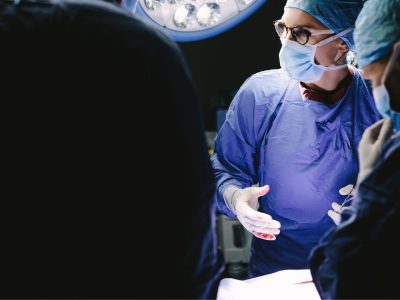
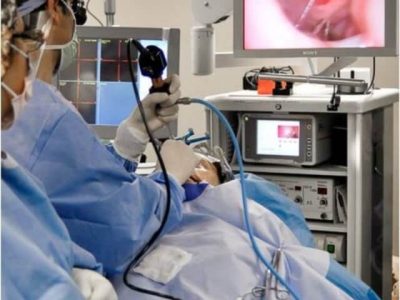
Septoplasty is a surgical procedure designed to correct a deviated septum. During the surgery, the surgeon straightens the nasal septum, improving airflow through the nose and alleviating symptoms such as nasal congestion and difficulty breathing.
The procedure typically involves:
- Incisions inside the nose: The surgeon makes small, discreet incisions inside the nostrils to access the nasal septum without leaving visible external scars.
- Reshaping the septum: The surgeon removes or reshapes the bone and cartilage that are causing the deviation.
- Repositioning the septum: The septum is then repositioned to the center of the nasal cavity, restoring proper airflow and functionality.
- Closing the incisions: After adjusting the septum, the incisions are sutured, and the nose is reshaped to ensure proper alignment.
The procedure is usually done under local anesthesia, but general anesthesia may be used depending on the patient’s needs and the complexity of the surgery. Septoplasty is often performed as a minimally invasive surgery, with a relatively short recovery time.
Benefits of Septoplasty
Septoplasty offers a range of benefits, primarily related to improved nasal function. Some of the key advantages of this surgery include:
- Improved breathing: The primary goal of septoplasty is to correct nasal obstruction and restore normal airflow, making it easier to breathe through the nose.
- Reduced frequency of sinus infections: By opening up the nasal passages and improving airflow, the likelihood of sinus infections and blockages is significantly reduced.
- Improved sleep quality: Septoplasty can help alleviate snoring and reduce the symptoms of sleep apnea caused by nasal obstruction.
- Relief from facial pain: Correcting a deviated septum can help reduce pressure in the face and sinuses, providing relief from headaches and facial pain.
- Enhanced quality of life: Better breathing, improved sleep, and a reduction in nasal congestion can have a significant positive impact on daily activities and overall well-being.
Is Septoplasty Right for You?
If you are experiencing chronic nasal obstruction, frequent sinus infections, or difficulty breathing through your nose, septoplasty may be an effective solution. It is essential to consult with a qualified ENT (ear, nose, and throat) specialist to evaluate your condition and determine whether surgery is necessary.
Septoplasty is particularly beneficial for individuals who:
- Have a severely deviated septum that interferes with breathing or causes other health problems.
- Suffer from chronic nasal congestion or sinus infections that do not improve with non-surgical treatments.
- Experience snoring or sleep apnea due to nasal obstruction.
Recovery After Septoplasty
The recovery process after septoplasty is generally straightforward, although it can vary from person to person. Here’s what you can expect during the recovery period:
- Rest and care: You will need to rest for a few days after surgery to allow the tissues in your nose to heal. During the first week, it’s important to avoid blowing your nose and refrain from strenuous activities.
- Follow-up visits: You will need to attend follow-up appointments with your surgeon to monitor your recovery and ensure that your nose is healing properly.
- Post-operative care: You may experience some mild discomfort, swelling, and bruising around the nose and eyes, which usually resolves within a few weeks.
- Full recovery: While most patients experience significant improvement within 1-2 weeks, complete recovery may take several months. It’s important to follow your surgeon’s post-operative instructions for the best results.
Risks and Considerations
Like any surgery, septoplasty carries certain risks, although serious complications are rare. These may include:
- Infection or bleeding
- Persistent nasal obstruction after surgery
- Changes in the external appearance of the nose (though this is typically rare in functional septoplasty)
- Septal perforation (a hole in the septum), which is uncommon but can occur
Septoplasty is a highly effective procedure for correcting a deviated septum and restoring normal nasal function. If you are struggling with nasal congestion, breathing difficulties, or recurrent sinus infections, septoplasty may be the solution to improve your quality of life. Consult with a ENT specialist to determine if septoplasty is right for you.