If you’ve been searching for snoring surgery in Qatar, sleep apnea solutions, or effective snoring and breath-related treatments in Doha, this comprehensive guide will help you understand everything you need to know — from causes and symptoms to diagnosis, treatment options, and long-term relief.
At The Pearl International Hospital in Doha, Dr. Cem Doğan and his expert ENT team provide advanced care for snoring, sleep apnea, and related conditions. Whether you’re a parent concerned about your child’s disturbed sleep or an adult suffering from chronic snoring or sleep apnea, this article will explain how treatment, including snoring surgery in Qatar, can improve your health and quality of life.
What Is Snoring and Sleep Apnea?
Snoring is a common condition that occurs when the flow of air through your mouth and nose is partially obstructed during sleep. It can range from mild and occasional to loud and disruptive. For many people, snoring is more than a nighttime annoyance — it may be a sign of sleep apnea, a serious sleep disorder where breathing repeatedly stops and starts.
Sleep apnea (especially Obstructive Sleep Apnea or OSA) occurs when the airway becomes blocked during sleep, leading to pauses in breathing, low oxygen levels, and recurrent arousals throughout the night. Over time, untreated sleep apnea can increase the risk of hypertension, heart disease, diabetes, and daytime fatigue.
In Qatar, where environmental factors like dry air, dust exposure, indoor air conditioning, and lifestyle can contribute to nasal congestion or airway issues, many people search for services such as:
- snoring surgery in Qatar
- sleep apnea doctor Doha
- best sleep apnea treatment in Qatar
- ENT specialist for snoring
- snoring and sleep apnea evaluation Qatar
These keywords reflect the real concerns of patients who need help breathing easier and sleeping better.
Why Snoring and Sleep Apnea Are Common Issues in Qatar
Living in Qatar — particularly Doha — comes with environmental and lifestyle factors that can contribute to sleep-related breathing problems:
1) Dry Desert Climate & Dust Exposure
The hot, arid environment and frequent dust storms can irritate nasal passages, leading to chronic congestion and partial airway obstruction — both of which worsen snoring.
2) Indoor Air Conditioning
Continuous use of air conditioning reduces internal humidity, drying out nasal mucosa and contributing to congestion, irritation, and inflammation.
3) Allergens & Pollutants
Pollen, dust mites, and indoor irritants can trigger allergic rhinitis, which often makes breathing through the nose more difficult — a known risk factor for both snoring and sleep apnea.
4) Lifestyle & Sleep Patterns
Busy schedules, stress, obesity, and irregular sleep can contribute to poor sleep quality and conditions like OSA.
Because of these factors, many residents in Qatar seek reliable treatment options — from conservative snoring remedies to advanced snoring surgery in Qatar — to regain restful sleep and improved overall health.
Understanding the Difference: Simple Snoring vs. Sleep Apnea
Not all snoring is equal. For many people, snoring comes and goes without serious health consequences. But loud, persistent snoring — especially when accompanied by other symptoms — may be a sign of sleep apnea.
Simple Snoring
Occurs when airflow through the relaxed throat tissues causes vibration during sleep. Symptoms may include:
- Loud breathing at night
- Disrupted partner sleep
- Mouth breathing upon waking
Obstructive Sleep Apnea (OSA)
A more serious condition where:
- Airway collapses or becomes partially blocked during sleep
- Breathing pauses (apneas) occur repeatedly
- Oxygen levels drop
- Sleep quality is fragmented
Symptoms associated with sleep apnea include:
- Loud, chronic snoring
- Gasping or choking sounds at night
- Excessive daytime sleepiness
- Morning headaches
- Difficulty concentrating
- Irritability or mood changes
If you suspect sleep apnea, professional evaluation by an ENT specialist is essential. Repeated pauses in breathing — even if brief — affect oxygen delivery to the body and strain cardiovascular systems over time.
Common Symptoms and When to Seek Help
Whether your concern is snoring surgery in Qatar or sleep apnea evaluation, HERE are signs that warrant medical consultation:
Strong indicators for consultation:
- Loud and persistent snoring
- Repeated pauses in breathing during sleep
- Waking gasping or choking
- Daytime fatigue/extreme sleepiness
- Poor concentration and unrefreshing sleep
- Frequent headaches upon waking
- Dry mouth or sore throat in the morning
For children:
Parents should seek evaluation if children show:
- Loud snoring
- Restless sleep
- Behavioral problems related to sleep disruption
- Bedwetting
- Attention difficulties
These symptoms may point to pediatric sleep apnea or other ENT-related obstruction problems and should prompt evaluation by an expert ENT team.
You can learn more about related structural causes like turbinate or adenoid issues on our dedicated pages, including تضخم اللحمية وجراحات اللحمية — since these can also contribute to snoring and breathing problems.
How Sleep Apnea Is Diagnosed
Accurate diagnosis is critical for effective treatment. ENT specialists in Qatar use a combination of detailed assessments:
1. Sleep History
A thorough review of symptoms, sleep patterns, partner observations, and daily functioning.
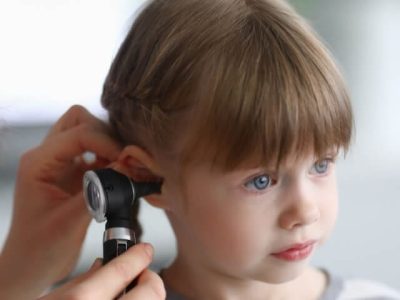
2. Physical ENT Exam
Examining the nose, throat, and airway for obstruction, enlarged tissues, septal deviation, or other structural contributors.
3. Sleep Studies (Polysomnography)
An overnight sleep test may be recommended to monitor:
- Breathing patterns
- Oxygen levels
- Sleep stages
- Apnea episodes
Sometimes, a home sleep apnea test may be used based on the case.
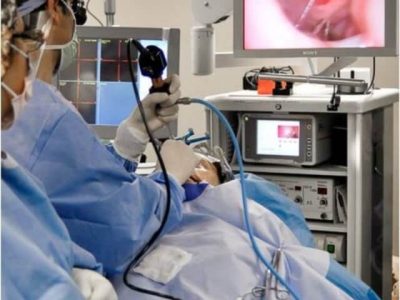
4. Nasal Endoscopy
A small camera is used to visualize airway structures and identify sites of obstruction.
Through these diagnostic steps, ENT doctors determine whether snoring is isolated or part of obstructive sleep apnea, and whether conservative or surgical treatment is indicated.
Snoring and Sleep Apnea Treatments in Qatar
Treatment for snoring and sleep apnea varies based on severity, underlying cause, and individual health needs. Broadly, options fall into non-surgical and surgical categories.
1. Non-Surgical Treatments (First-Line Options)
These are often effective, especially in mild to moderate cases:
Lifestyle & Behavioral Modifications
- Weight management
- Avoiding alcohol or sedatives before bedtime
- Sleeping on the side instead of the back
- Smoking cessation
- Improving sleep hygiene
CPAP (Continuous Positive Airway Pressure)
For moderate to severe sleep apnea, CPAP is often the first and most effective non-surgical treatment. It maintains an open airway by delivering gentle air pressure through a mask.
Oral Appliances
A dental device may be fitted to reposition the jaw or tongue during sleep, making breathing easier.
Allergy Management
If allergic rhinitis or sinus congestion worsens snoring, treating allergies is a key part of the plan.
2. Snoring Surgery in Qatar and Other Surgical Options
When non-surgical methods are insufficient, surgical options — collectively known as snoring surgery in Qatar — may be recommended.
These procedures aim to correct anatomical obstructions contributing to snoring or sleep apnea:
Uvulopalatopharyngoplasty (UPPP)
Removes excess soft tissue in the throat and palate to widen the airway.
Tonsillectomy and Adenoidectomy
Particularly in children or adults with enlarged tonsils or adenoids that block the airway.
Septoplasty
Corrects a deviated septum — a structural issue that can worsen snoring and airway obstruction.
Turbinate Reduction
When enlarged nasal turbinates contribute to chronic congestion, reducing their size improves nasal airflow and relieves obstruction.
These surgical procedures are designed to improve airway patency and enhance airflow during sleep — which often leads to significant improvements in snoring, sleep quality, and daytime energy.
Benefits of Treatment — Beyond Relief
Regardless of the path taken — whether medical therapy, CPAP, lifestyle changes, or snoring surgery in Qatar — patients can experience broad long-term benefits:
✔ Reduced snoring intensity
✔ Better sleep quality and continuity
✔ Higher daytime energy and alertness
✔ Improvement in mood and cognitive focus
✔ Reduced cardiovascular risks associated with untreated sleep apnea
✔ Less dependency on temporary nasal sprays or medications
Evidence shows that addressing the root causes of snoring and sleep apnea yields better outcomes than managing symptoms alone.
Recovery and What to Expect After Snoring Surgery
Recovery from snoring surgery depends on the type of procedure performed:
Post-operative Recovery
- Mild discomfort and throat soreness are common
- Soft diet and hydration are recommended
- Avoiding strenuous activity for the first few weeks
- Follow-up care with your ENT specialist
Many patients notice early improvements in breathing and sleep, and continued improvement occurs as healing completes.
Who Should Seek ENT Help for Snoring and Sleep Apnea in Qatar
You should consider consulting an ENT specialist if you experience:
- Persistent loud snoring
- Breathing pauses during sleep
- Significant daytime sleepiness
- Chronic nasal congestion
- Sleep disturbances or reduced oxygen levels
- Weight-related or structural breathing issues
Common searches that bring patients to ENT clinics include:
- sleep apnea doctor Qatar
- snoring surgery in Doha
- best ENT for sleep apnea in Qatar
- children snoring treatment Qatar
Early evaluation can prevent complications, improve sleep quality, and restore healthy breathing.
Why Choose Expert ENT Care in Doha, Qatar?
Specialized and Personalized Diagnosis
Every patient receives tailored evaluation and treatment — from initial examination to follow-up care.
Advanced Diagnostic Technology
Endoscopy, sleep studies, imaging — all help pinpoint the causes of snoring and apnea.
Comprehensive Care Paths
From non-surgical therapies to advanced snoring surgery in Qatar, care covers the full spectrum.
Experienced and Caring Team
Under Dr. Cem Doğan’s leadership, our ENT team offers compassionate, evidence-based care for adults and children.
Frequently Asked Questions (FAQ)
Q: Is snoring surgery always necessary?
A: Not always — many cases can improve with lifestyle changes, CPAP, or oral devices. Surgery is recommended when conservative treatments are insufficient or when structural obstructions are present.
Q: Can children get sleep apnea?
A: Yes — especially with enlarged tonsils or adenoids. Pediatric sleep apnea requires careful evaluation.
Q: Are snoring surgeries painful?
A: Discomfort is usually mild and manageable with postoperative care and medications.
Q: How soon will I see results?
A: Many patients notice improved breathing and reduced snoring soon after surgery, with continued benefits during recovery.
Q: Are there risks to snoring surgery?
A: As with any surgery, small risks exist (bleeding, infection), but expert ENT care minimizes these.
Conclusion — Don’t Let Snoring or Sleep Apnea Disrupt Your Life
Chronic snoring, breathing pauses, sleep disturbances, and daytime fatigue are not conditions you must simply tolerate. With modern diagnostic tools, personalized care, and advanced options like snoring surgery in Qatar, you can achieve real, long-lasting relief.
Whether you need sleep apnea treatment in Qatar, evaluation for snoring, or surgical solutions to improve airflow, our expert ENT team in Doha is ready to help you breathe easier and sleep better.
📞 Call Today: +974 4016 0000
🏥 Visit: The Pearl International Hospital — Doha, Qatar
🌐 Learn more: www.drcemdogan.com
Take your first step toward healthier breathing and better sleep — book your ENT consultation now and experience the difference expert care can make.