If you’ve been living with chronic nasal blockage, difficulty breathing through your nose, recurrent sinus or allergy issues, or even poor sleep — you may have a deviated septum. In Doha, at The Pearl International Hospital, Dr. Cem Doğan and our experienced ENT team offer advanced septoplasty in Qatar and related nasal airway treatments to help you breathe smoothly, sleep better, and regain your quality of life.
Whether you search for “septoplasty in Qatar”, “deviated septum surgery Doha”, “best ENT doctor for septoplasty Qatar” or “nasal obstruction treatment Doha”, this comprehensive guide explains everything you need to know — from understanding the problem, to treatment options, surgery process, recovery, and long-term benefits.
What Is Septoplasty (رأب الحاجز الأنفي)?
Septoplasty is a surgical procedure to correct a deviated nasal septum — the internal wall (made of cartilage and bone) that separates the two nostrils. When this septum is crooked, displaced, or bent, one or both nasal airways can become narrowed, resulting in impaired airflow and a variety of symptoms.
During septoplasty, the surgeon repositions, reshapes, or trims the bent cartilage/bone, to realign the septum — often without any external incisions (all done inside the nose). Once aligned, nasal airflow becomes more balanced, reducing obstruction and improving breathing comfort.
Septoplasty is widely considered the gold-standard treatment for symptomatic deviated septum — especially when non-surgical measures fail to bring sufficient relief.
Why Septoplasty Matters in Qatar / Doha
Living in Doha and across Qatar comes with specific environmental and lifestyle factors that make nasal airway issues more common — and more problematic:
- Dry desert climate, frequent dust and sand, indoor air-conditioning, and seasonal allergens — all of which irritate nasal mucosa.
- High prevalence of nasal congestion, chronic rhinitis, sinus problems, turbinate hypertrophy, and other nasal structural issues that worsen with a deviated septum.
- Sleep disturbances, mouth-breathing, chronic nasal blockage — which degrade quality of life, sleep quality, and overall well-being.
For many, septoplasty in Qatar offers a lasting solution — restoring proper nasal airflow and significantly enhancing breathing, sleep, and daily comfort.
Common Symptoms of a Deviated Septum
You might be a candidate for septoplasty if you experience:
- Persistent nasal obstruction or chronic nasal congestion (in one or both nostrils)
- Difficulty breathing through the nose — especially in one side
- Frequent sinus infections or chronic sinusitis
- Recurrent nosebleeds, dry nose, crusting
- Snoring, poor sleep, mouth-breathing especially at night
- Reduced smell or taste, postnasal drip
- Facial pain, headaches or pressure
- Poor exercise tolerance due to nasal obstruction
If these symptoms persist despite nasal sprays, allergy treatment or conservative care — it could indicate a significant septal deviation requiring surgical correction.
Non-Surgical vs Surgical: When Is Septoplasty the Best Option
Non-Surgical / Medical Management (When Appropriate)
In mild cases of septal deviation, or when symptoms are manageable, your ENT doctor may first recommend:
- Nasal saline irrigation / washes
- Nasal steroid sprays or anti-inflammatory treatment
- Allergy management (if allergic rhinitis is present)
- Treating coexisting nasal issues (like turbinate hypertrophy, sinusitis)
These measures can alleviate symptoms, especially if deviation is mild or airflow compromise is modest. However — as multiple studies show — when nasal obstruction is chronic and substantial, septoplasty significantly outperforms medical therapy.
When Septoplasty Becomes Necessary
When medical therapy fails, or anatomical obstruction is severe:
- Persistent nasal blockage and poor breathing
- Recurring sinus disease despite treatment
- Sleep problems, snoring, poor oxygenation, chronic mouth-breathing
- Reduced quality of life (sleep, sports, daily functioning)
Then septoplasty is generally the most effective, lasting solution.
What Happens During Septoplasty in Qatar — Step by Step
Here’s what to expect when you undergo septoplasty at a modern ENT centre in Doha:
- Preoperative Assessment:
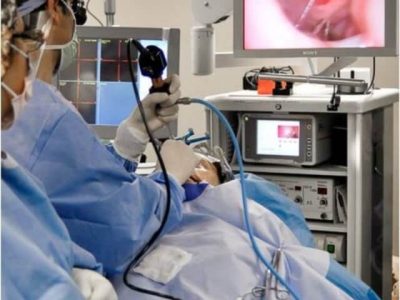
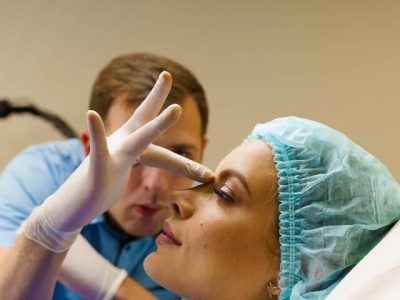
- Detailed ENT examination including nasal endoscopy, possibly CT–scan if needed.
- Discussion of symptoms, nasal anatomy, medical history, and expectations.
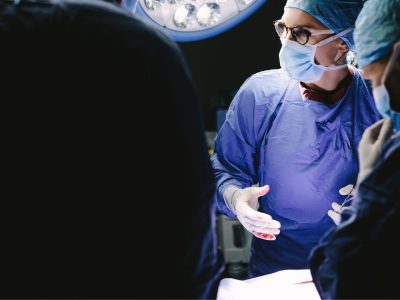
- Surgery:
- Usually performed under general or local anesthesia.
- Surgeon makes incisions inside the nose (closed septoplasty) — no external scars.
- Misaligned cartilage or bone is trimmed, repositioned, or reinforced; mucosal lining is preserved.
- Once septum is straightened, internal sutures or splints may be placed to stabilize it during healing.
- Post-operative Care:
- Mild swelling, nasal congestion, or minor bleeding is common initially.
- Nasal saline rinses, nasal care, rest, avoiding strenuous activity, smoking, and irritants help recovery.
- Most patients resume normal activities in a week or two; full internal healing may take a few months.
Benefits of Septoplasty — What Patients Often Experience
Undergoing septoplasty — especially in well-equipped ENT centers like The Pearl International Hospital — can lead to multiple significant benefits:
- Marked improvement in nasal breathing, less nasal obstruction, easier airflow.
- Reduced or eliminated chronic nasal congestion, sinusitis, postnasal drip, and associated headaches or facial pressure.
- Better sleep: less snoring, fewer awakenings, improved oxygenation — enhancing sleep quality and daytime energy.
- Improved sense of smell and smell-associated quality of life (eating, environment enjoyment) in many cases.
- Overall enhancement of quality of life — fewer medications, less dependency on nasal sprays, better breathing for exercise and daily activities.
Studies and clinical data show that septoplasty delivers more substantial and lasting relief than medical therapy alone when anatomical deviation is significant.
Are There Risks or Side Effects? What to Know
As with any surgical procedure, septoplasty carries some risks. However, when performed by an experienced ENT surgeon and with proper postoperative care, serious complications are rare. Common possible issues include:
- Mild bleeding, crusting or dryness of nasal passages in early days post-surgery
- Temporary diminished sense of smell, or mild nasal discomfort
- Rarely: septal perforation (hole), septal hematoma (blood clot), adhesions (scar tissue), or structural changes if excessive cartilage/bone is removed
- As with all surgeries: risk of infection, anesthesia-related risks, or prolonged healing in patients with coexisting conditions
That’s why careful preoperative evaluation, precise surgical technique, and patient compliance with post-surgery instructions are key for a successful and safe outcome.
Is Septoplasty Right for You? Candidate Criteria
You may be a good candidate for septoplasty if:
- You have chronic nasal obstruction or breathing difficulty through the nose
- You suffer recurrent sinusitis, frequent nasal congestion, or postnasal drip
- You have significant septal deviation on ENT exam
- You have sleep problems, snoring, poor sleep quality, or mouth-breathing
- You don’t have uncontrolled chronic diseases, active infections, or contraindications for surgery
- You are willing to follow pre- and post-operative instructions and attend follow-up visits
During your consultation at The Pearl International Hospital, Dr. Cem Doğan will assess all these factors — and recommend the best plan: medical, surgical, or combined care.
Septoplasty in Qatar — What to Expect at The Pearl International Hospital
When you come to us for septoplasty in Doha, here’s our approach:
- We begin with a thorough ENT evaluation — including nasal endoscopy, history of symptoms, possible imaging if needed.
- We explain the diagnosis: whether deviation alone, or combined with turbinate hypertrophy / chronic rhinitis / sinusitis — and how that affects airflow.
- We design a personalized surgical plan (if needed), ensuring minimal removal of tissue while achieving best functional result.
- Surgery is done with modern techniques (closed septoplasty, careful mucosal preservation) for patient comfort and quick recovery.
- Post-operative care: nasal rinses, follow-up, avoiding irritants — with emphasis on patient education and long-term nasal health.
- If needed, we may combine septoplasty with other procedures (turbinate reduction, sinus surgery) for maximum benefit.
Our goal: not only improve your nasal breathing, but also long-term nasal comfort, sleep quality, and overall health.
Common Questions (FAQ) — About Septoplasty in Qatar
Q: What is the difference between septoplasty and rhinoplasty?
A: Septoplasty corrects internal nasal structure (the septum) to improve breathing. Rhinoplasty is cosmetic surgery to change the external shape of the nose. They can be done together, but purpose is different.
Q: Will my nose look different after septoplasty?
A: In standard septoplasty (closed, internal), external appearance doesn’t change. If external cartilage or bone is removed carelessly, it may alter shape — that’s why we emphasize careful technique and mucosal preservation.
Q: How soon will I breathe better?
A: Many patients feel improved airflow within days or a week post-surgery. Full stabilization usually occurs over a few weeks to months as internal healing completes.
Q: Is septoplasty painful or risky?
A: Discomfort typically mild — swelling or congestion may last a few days. Most patients tolerate recovery well. Serious risks (bleeding, infection, perforation) are rare when performed by skilled ENT surgeons.
Conclusion — Why Choosing Septoplasty in Qatar Could Be Life-Changing
If you’ve been suffering from persistent nasal blockage, breathing issues, chronic sinus problems or poor sleep — and suspect a deviated septum — septoplasty in Qatar could be the solution you’ve been searching for.
At The Pearl International Hospital in Doha for Septoplasty in Qatar, our experienced ENT team under Dr. Cem Doğan combines medical expertise, modern surgical technique, and patient-centered care to deliver lasting relief.
Don’t let a crooked septum rob you of easy breathing, restful sleep, or quality of life. Book a consultation today, discover whether septoplasty is right for you — and take the first step toward healthy breathing and better living.
📞 Call us: +974 4016 0000
📍 Visit us: The Pearl International Hospital, Doha, Qatar
🌐 Learn more: www.drcemdogan.com