If you are seeking relief from persistent nasal congestion, breathing difficulties, or ineffective responses to standard allergy therapy, you might be dealing with turbinate hypertrophy. At The Pearl International Hospital in Doha, Dr. Cem Doğan and his ENT specialist team offer advanced diagnosis and treatment for turbinate enlargement and nasal obstruction—including both non-surgical and surgical options.
By searching terms such as “turbinate hypertrophy treatment Qatar”, “ENT doctor Doha nasal obstruction”, or “inferior turbinate reduction Doha”, you’ll find that the right specialist can transform your breathing, sleep quality, and overall wellness.
Understanding Turbinate Hypertrophy and Treatments in Doha
The nasal cavity contains structures known as turbinates—specifically the inferior, middle (and less commonly the superior) turbinates. These are bony structures lined with mucosa that filter, warm, humidify and regulate airflow.
When the turbinates become chronically enlarged—a condition termed turbinate hypertrophy—they block nasal airflow and cause nasal obstruction, mouth-breathing, snoring, and reduced quality of life. Typical symptoms include:
- Persistent nasal congestion or stuffiness
- Difficulty breathing through the nose, especially lying down
- Snoring or disturbed sleep
- Mouth breathing, dry mouth on awakening
- Impaired exercise tolerance or persistent sinus symptoms
What causes turbinate hypertrophy?
Several underlying factors may lead to this condition:
- Allergic rhinitis and chronic sinus inflammation
- Environmental irritants (dust, smoke, pollutants)
- Deviated nasal septum or nasal valve collapse increasing airflow dynamics and causing reactive turbinate enlargement
- Hormonal changes, certain medications, or long-term use of nasal decongestant sprays (rhinitis medicamentosa)
In Doha and across Qatar, given the desert climate, frequent indoor air conditioning, and high dust/allergen levels, turbinate hypertrophy is a common but often under-diagnosed cause of chronic nasal obstruction.
Why Early Specialist Care Matters
When you search for “ENT doctor Doha” or “nasal obstruction treatment Qatar”, early intervention is key. Left untreated, turbinate hypertrophy can lead to:
- Chronic nasal blockage and mouth-breathing
- Worsened sleep-apnea or snoring
- Frequent sinus infections or poor response to allergy therapy
- Impaired quality of life and productivity
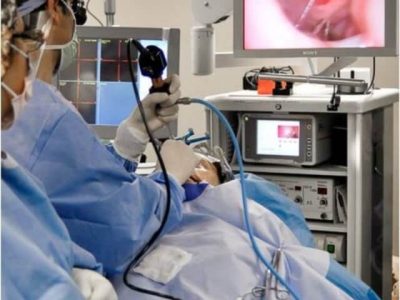
At The Pearl International Hospital’s dedicated ENT department, Dr. Doğan utilises modern diagnostic tools—endoscopic nasal examination, CT imaging, allergy-testing—to define the exact cause of obstruction (turbinates alone, or combined with septal deviation/valve collapse). This precision enables customised care rather than broad “nasal spray only” approaches.
Treatment Options for Turbinate Hypertrophy and Treatments in Doha
The good news: there are both non-surgical and surgical treatments for this condition. Below we outline the pathways and what you might expect in an advanced ENT clinic in Doha.
Non-Surgical / Medical Treatments
Before considering surgery, conservative management is always attempted and is effective in many cases. Common treatments include:
- Nasal saline irrigation or sprays to clear allergens and maintain humidification.
- Nasal steroid sprays (such as fluticasone, budesonide) to reduce inflammation of the mucosa covering the turbinates.
- Antihistamine nasal sprays, decongestant use (short-term only) and allergy avoidance strategies.
- Management of underlying conditions (allergic rhinitis, sinusitis) and removal of irritants (dust, air-conditioning dryness, tobacco smoke).
In many patients in Qatar, optimal results stem from combined allergy-ENT management. If symptoms persist despite a good trial of medical therapy (typically 6–12 weeks), then surgical options are considered.
Surgical / Procedural Treatments
When medical \approach fails, or when turbinate hypertrophy is structural (large bone component, chronically enlarged), then surgery—often termed turbinate reduction or turbinoplasty—is the appropriate next step.
Common surgical techniques include:
- Radio-frequency ablation of the turbinates to shrink tissue and bone with minimal disruption.
- Coblation or other energy-based sub-mucosal reduction.
- Partial resection of the inferior turbinate bone or soft tissue, preserving mucosa to avoid problems such as “empty nose syndrome”.
- Often combined with septoplasty (if septal deviation exists) or other nasal valve repair.
In Qatar, a high-quality ENT clinic will offer the full spectrum—from in-office minor procedures to outpatient surgical theatre interventions—tailored to your anatomy and condition. At The Pearl International Hospital, we provide this full care continuum.
How We Approach Treatment at The Pearl International Hospital
When you book a consultation with Dr. Cem Doğan for nasal obstruction or suspected Turbinate Hypertrophy and Treatments in Doha, here’s how the process works:
- Comprehensive assessment including your symptom history (nasal congestion, sleep issues, snoring, allergy history), physical examination of the nose, possibly nasal endoscopy and CT imaging.
- Diagnosis & plan: Identifying turbinate hypertrophy vs other causes (septal deviation, nasal valve collapse, sinus disease).
- Non-surgical trial: Implementation of medical therapy (sprays, irrigation, allergy control) for at least 6–12 weeks.
- Surgical planning: If symptoms persist, we conduct detailed discussion of the surgical options, risks, benefits, recovery timeline, costs.
- Procedure & follow up: If you proceed, we perform the optimal turbinate reduction or turbinoplasty and manage post-operative care including nasal care, follow-ups, and monitoring for healing and function.
Our aim is not just “clearing the nose” but restoring comfortable, efficient nasal breathing, reducing snoring/sleep problems, and improving overall quality of life.
What to Expect: Recovery & Results
After turbinate reduction surgery, most patients in Doha return to normal routines quickly, though healing varies. Typical phases include:
- First week – Mild swelling, nasal crusting, mild discomfort.
- Weeks 2–4 – Most normal activity resumes; breathing improves significantly.
- 3-6 months – Nasal airway stabilises, swelling subsides, full functional gains achieved.
- Up to 12 months – In complex cases (with concurrent septoplasty or valve repair), subtle improvements continue.
The success rate of turbinate reduction is high—studies cite around 80%+ satisfaction when properly selected.
Complications are rare but may include nasal dryness, crusting, mild bleeding, or very rarely the “empty nose syndrome” (over-resection of turbinates). Good surgical technique and specialist ENT care minimise these risks.
Are You a Candidate?
You might be a suitable candidate for turbinate treatment if you:
- Have had persistent nasal congestion, mouth breathing or sleep-related breathing difficulties despite allergy or medical therapy.
- Live in Doha/Qatar and are seeking a qualified ENT specialist for nasal obstruction.
- Do not have uncontrolled medical conditions or active nasal infection.
- Are motivated and willing to follow pre- and post-treatment instructions (saline rinses, spray usage, follow-up visits).
If you’re searching for “turbinate hypertrophy doctor in Doha” or “nasal obstruction specialist Qatar”, you’re taking the right step. Early specialist ENT care can avoid years of chronic symptoms and improve life quality substantially.
Why Choose Dr. Cem Doğan & The Pearl International Hospital in Doha?
- Recognised ENT specialist with training in nasal and sinus surgery, turbinate surgery and airway optimisation.
- Comprehensive ENT department offering full diagnostics (endoscopy, CT), non-surgical and surgical treatments for turbinate hypertrophy, septal deviation, nasal valve collapse.
- Located centrally in Doha with modern facilities, patient-centred care and multilingual support for local and international patients.
- Focus on education: you will be informed about your nasal anatomy, reasons for obstruction, treatment options, expected outcomes and recovery.
- Strong reputation for functional as well as cosmetic nasal procedures—ensuring that your breathing improves and your nasal comfort enhances.
Frequently Asked Questions (FAQ)
Q: What is turbinate hypertrophy exactly?
A: It is the condition in which the nasal turbinates (especially the inferior ones) become enlarged or swollen, reducing the nasal airway and causing typical symptoms of blockage and nasal congestion.
Q: How is it different from a deviated septum?
A: A deviated septum means the wall between nostrils is displaced. Turbinate hypertrophy refers to enlarged nasal turbinates. They often coexist, and both should be evaluated when nasal obstruction persists.
Q: Does treatment always require surgery?
A: Not always. Many patients respond well to medical therapy (nasal sprays, allergy management). Surgery is considered when symptoms are chronic, medical therapy is inadequate, or there is a significant structural component.
Q: What are the risks of turbinate surgery?
A: Risks include mild bleeding, crusting, nasal dryness, rare empty nose syndrome (too much tissue removal). With specialised ENT care, these risks are minimal.
Q: How long does it take to recover?
A: Most patients return to normal activity in a few days to weeks. Breathing improvement may be felt early, but full healing may take 3-6 months, up to 12 months in complex cases.
Take the Next Step
If you’ve been living with nasal obstruction, mouth breathing, disturbed sleep, or have discovered “turbinate hypertrophy” as a possible cause, it’s time to act. At The Pearl International Hospital in Doha, we invite you to book a consultation with Dr. Cem Doğan and discuss your condition, diagnosis, and a tailored treatment plan.
📞 Call now: +974 4016 0000
📍 Visit: The Pearl International Hospital, Doha, Qatar
🌐 Learn more & book your appointment: www.drcemdogan.com
Breathe easier, sleep better, and reclaim your nasal comfort – with expert ENT care in Qatar.