Snoring and Sleep Apnea in Doha | If you’re struggling with loud snoring, repeated awakenings, daytime sleepiness, or suspect you or a loved one may have Sleep Apnea, this guide is for you. In Doha, at The Pearl International Hospital, Dr. Cem Doğan and our ENT team offer comprehensive evaluation and treatment for snoring and sleep-disordered breathing. Whether you search “snoring treatment Doha”, “sleep apnea doctor Qatar”, or “best ENT for snoring and sleep apnea Doha” — we help you breathe easier, sleep better, and reclaim your health.
What Are Snoring and Sleep Apnea — And Why Should You Care
Obstructive Sleep Apnea (OSA) is the most common type of sleep apnea. It happens when muscles at the back of the throat relax too much during sleep, causing partial or total blockage of the airway. Breathing may pause for several seconds, then resume with a gasp or snort.
Although not everyone who snores has sleep apnea — loud snoring can be a major warning sign.
Common symptoms and signs
- Loud, frequent snoring (often noticed by partners)
- Pauses in breathing, choking or gasping during sleep
- Daytime sleepiness — even after a “long night’s sleep”
- Morning headache, dry mouth, sore throat upon waking
- Difficulty concentrating, mood changes, irritability, memory issues
- Increased cardiovascular risk: high blood pressure, heart disease, stroke in untreated cases.
When left unchecked, sleep apnea does more than disturb nights — it threatens long-term health, energy levels, and quality of life.
Why Snoring & Sleep Apnea Are Common Issues in Doha / Qatar
Living in Doha and the Gulf region comes with environmental and lifestyle factors that may exacerbate snoring and sleep apnea risk:
- Nasal congestion and chronic sinus issues — due to arid climate, dust, indoor air-conditioning, and seasonal allergens.
- Anatomical factors — many individuals with nasal valve issues, deviated septum, enlarged turbinates or adenoids, which narrow airway passages.
- Lifestyle risks — obesity, neck circumference, sedentary habits, and exposure to irritants (smoke, dust, air pollution) are risk factors for OSA.
Because of these combined factors, many people in Qatar suffer from untreated snoring or sleep apnea — often without realizing it.
Getting the Right Diagnosis Matters
If you or your partner are experiencing persistent snoring, choking at night, or daytime fatigue — don’t ignore it. Early specialist evaluation is vital.
What we do at The Pearl International Hospital for Snoring and Sleep Apnea in Doha
- Take full clinical history (symptoms, sleep patterns, partner observations, daytime effects)
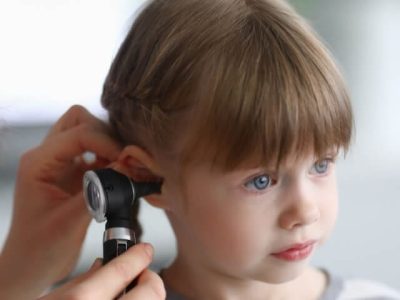
- Nasal and throat physical exam — to check for blockages, enlarged tissues, deviated septum, swollen turbinates, adenoids, etc.
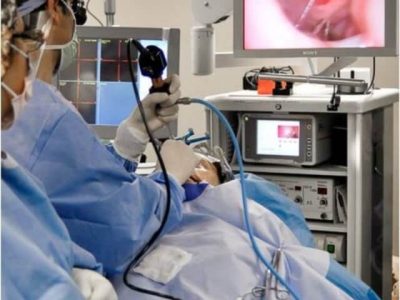
- Use diagnostic tools: sleep study (polysomnography) or home sleep-apnea testing, nasal endoscopy, imaging (when needed)
- Determine whether the issue is simple snoring, mild OSA, or moderate/severe sleep apnea — each requires a different approach
Because snoring and sleep apnea can have multiple contributing factors (nasal, airway, weight, lifestyle), our ENT-based evaluation ensures a holistic, personalized diagnosis — not a one-size-fits-all prescription.
Treatment Pathways: Medical, Behavioral & Surgical
Depending on diagnosis and severity, we recommend various evidence-based treatments for snoring and sleep apnea.
1. Lifestyle & Behavioral Measures
Often the first approach, especially in mild cases:
- Weight management & healthy lifestyle (diet, exercise) — obesity is a major risk factor.
- Sleep hygiene: sleep on your side (not on your back), use a slightly elevated pillow, avoid alcohol or sedatives before bed — since they relax throat muscles and worsen airway collapse.
- Avoid smoking, reduce exposure to dust/allergens, manage nasal congestion or chronic rhinitis
These measures alone may significantly improve mild snoring or sleep-quality issues — and importantly, can reduce risk factors associated with OSA.
2. Medical & Non-Surgical Treatments
If nasal or airway irritation contributes to snoring/OSA, ENT-directed therapies may help:
- Treat nasal congestion, sinusitis, or allergies (nasal sprays, saline washes, allergy management)
- Manage enlarged tonsils/adenoids, turbinate hypertrophy, or chronic nasal obstruction
- Use of dental/oral appliances: for some patients, oral devices can reposition the jaw or tongue to keep airway open during sleep
These interventions can improve symptoms for many patients — especially those with mild to moderate sleep disturbances.
3. CPAP / PAP Therapy
For moderate to severe OSA, or when airway collapse is significant:
- CPAP machine (Continuous Positive Airway Pressure): globally considered a gold-standard treatment. It keeps the airway open by providing continuous airflow via mask during sleep.
- Proper usage often results in normalized oxygen levels at night, reduced apnea episodes, improved daytime alertness, and reduced cardiovascular risks
CPAP is highly effective — but success depends on correct diagnosis, mask fitting, patient compliance, and follow-up.
4. Surgical Interventions (When Indicated)
If anatomical issues (deviated septum, nasal blockage, enlarged tonsils/adenoids, soft palate collapse) are causing airway obstruction, surgical solutions may be necessary. ENT-led surgery can involve:
- Septoplasty (correct deviated septum)
- Turbinate reduction (if enlarged turbinates block nasal airway)
- Tonsillectomy / adenoid removal (especially in children or under-diagnosed adults)
- Uvulopalatopharyngoplasty (UPPP) — reducing soft palate/uvula tissue if obstructing airway
- Multi-level airway surgery if obstruction is at several sites (nasal + palate + throat)
Surgical treatment aims for long-term resolution rather than temporary relief. Postoperative follow-up and lifestyle changes remain crucial.
Why ENT-Focused Care Matters in Doha
Many sleep-apnea centers focus on CPAP or dental approaches only — but in regions like Qatar, nasal & upper-airway anatomy plays a major role due to climate, dust, allergens, and lifestyle factors.
At The Pearl International Hospital:
- We provide full ENT assessment — nasal, sinus, throat — to identify all contributing factors
- Combined treatment plans: medical, CPAP, surgical, lifestyle change — tailored per patient
- Multidisciplinary care: ENT specialists, sleep medicine, audiology, patient education & follow-up
- Local awareness: we understand context in Doha — environment, climate, common nasal/congestion triggers
This comprehensive approach offers a higher chance of resolving snoring & sleep apnea — not just temporarily, but sustainably.
Who Should Be Evaluated for Snoring & Sleep Apnea in Doha
You should consider evaluation if you have:
- Loud, frequent snoring (especially disturbing others)
- Daytime sleepiness, fatigue, poor concentration, irritability
- Morning headaches, dry mouth, or sore throat upon waking
- Observed pauses in breathing, choking or gasping at night
- High blood pressure, heart disease, or other cardiovascular risk factors
- Nasal obstruction, chronic rhinitis, deviated septum, or history of sinus disease
- Obesity, neck circumference, or other known risk factors for OSA
Early recognition and treatment can prevent long-term complications: cardiovascular disease, metabolic problems, reduced quality of life, accidents from daytime drowsiness, etc.
Success Stories & What Patients Can Expect
With proper diagnosis and individualized treatment plans, many patients in Doha experience:
- Significant reduction or elimination of snoring
- Improved sleep quality — fewer awakenings, deeper sleep cycles
- Daytime alertness restored, improved mood and cognitive function
- Reduced cardiovascular risks, lower blood pressure
- Enhanced quality of life — better energy, performance at work, social life
For many, relief begins within weeks (with CPAP or after medical therapy). For surgical cases, full benefit often stabilizes after 2–6 months.
Conclusion — Take Your Sleep & Health Seriously
If you’ve been dismissing “just snoring” as harmless — reconsider. Snoring may be a noisy annoyance, but it can also be a sign of serious sleep apnea with long-term health consequences.
In Doha, with its climate, environmental factors, and high lifestyle demands, many people live with undiagnosed sleep-disordered breathing. But there’s hope. At The Pearl International Hospital, Dr. Cem Doğan and his ENT team are ready to help you get back restful nights, safe breathing, and healthy days.
Don’t wait — book your consultation today!
How to Get Started — Booking Your Consultation for Snoring and Sleep Apnea in Doha
- Contact our ENT clinic at The Pearl International Hospital to schedule a sleep-disorder screening or snoring / sleep-apnea consultation.
- Bring any relevant medical history, symptoms list, and — if possible — spouse or partner observations about snoring or breathing pauses.
- We’ll perform a full ENT exam, possibly recommend a sleep study (polysomnography) or home sleep-test, and design a customized treatment plan (medical + lifestyle or CPAP / surgical as needed).
- Post-treatment follow-up: we monitor healing, sleep quality, compliance, and any needed adjustments (mask fitting, CPAP pressure, further ENT procedures).
📞 Phone: +974 4016 0000
📍 Location: The Pearl International Hospital, Doha, Qatar
🌐 Website: www.drcemdogan.com